
Versed skincare study: building a product photography system
I recently completed a studio study exploring skincare imagery using products from Versed.
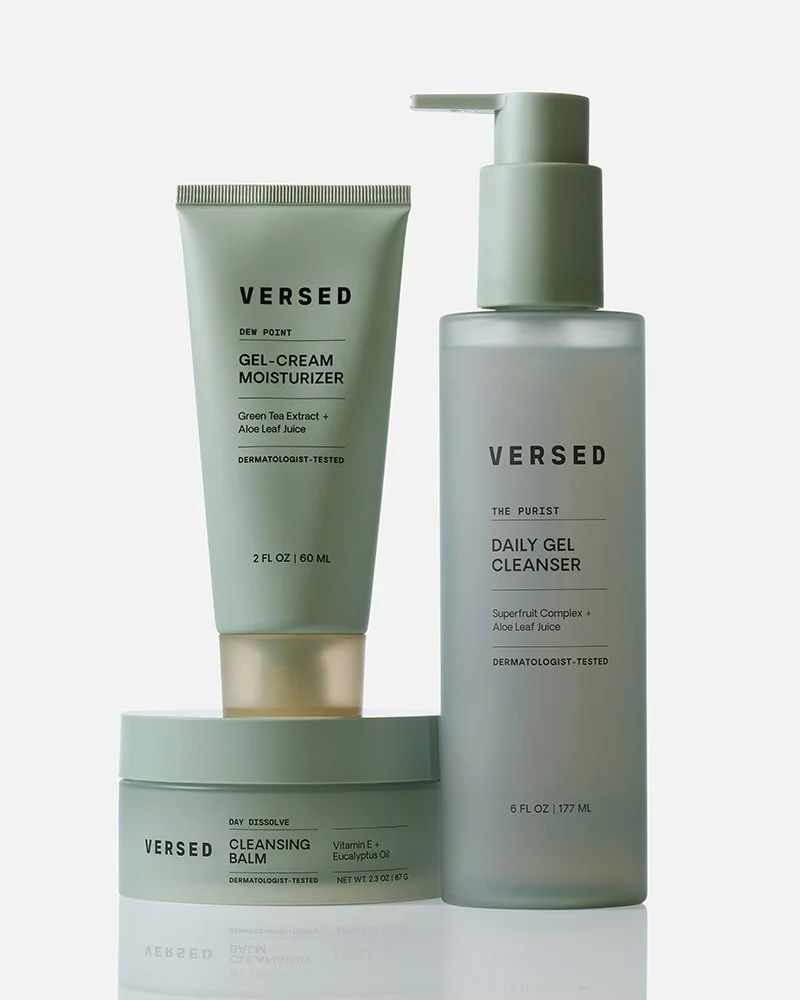
The goal was simple. Instead of producing one strong frame, I built a set of images designed to work together: a hero shot, a product family composition, ingredient references, and formula texture.
Each image stands on its own. Together, they form a visual system.
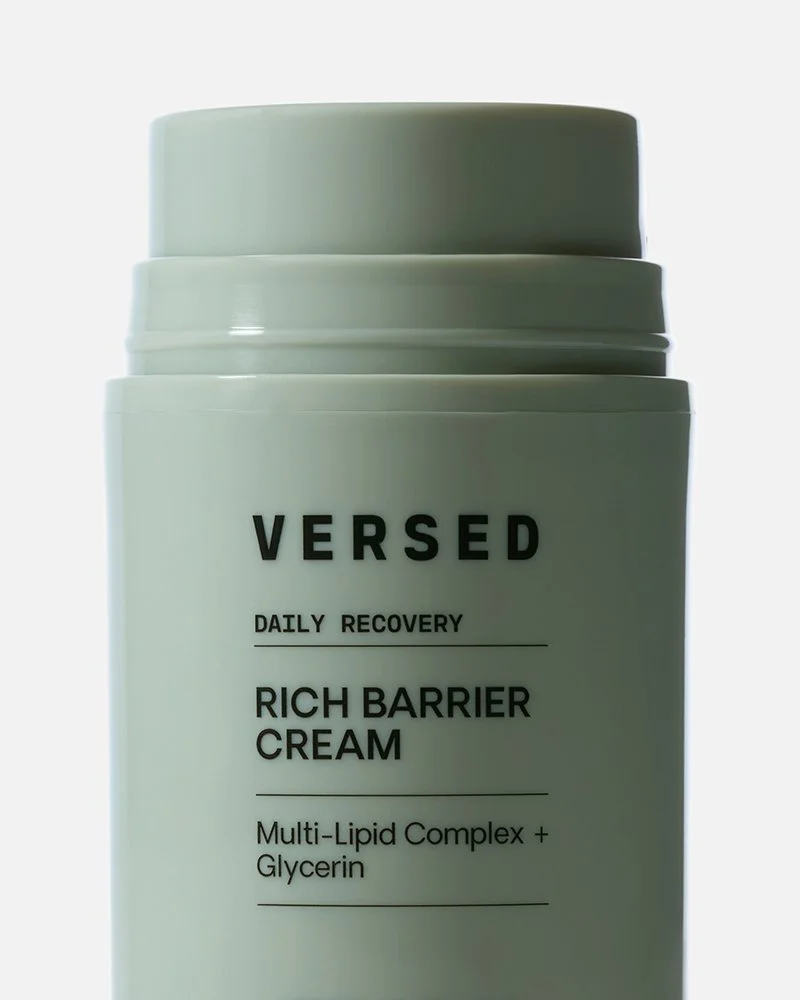
The hero image
The hero frame carries the central visual idea. This is where lighting, color, and composition do the most work. The goal is clarity and presence. The product needs to feel dimensional, tactile, and immediately recognizable while still leaving room for the surrounding environment to support the mood.
In skincare imagery, the hero often becomes the anchor for everything else. It sets the tone that the rest of the image set expands on.
The product family
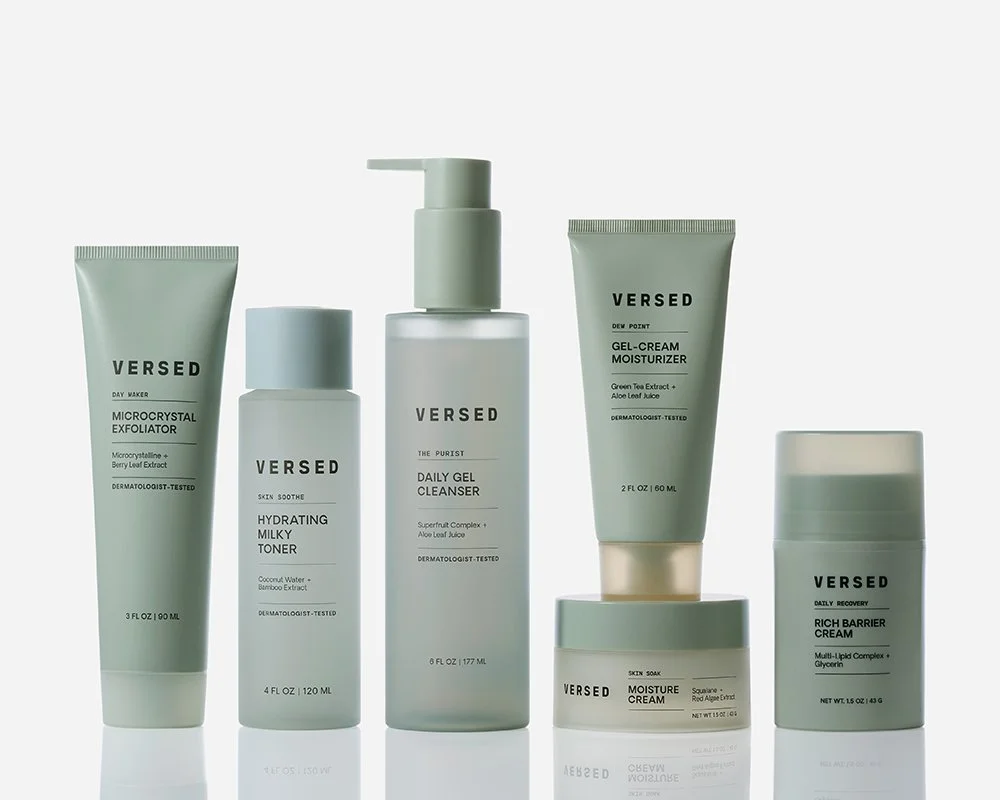
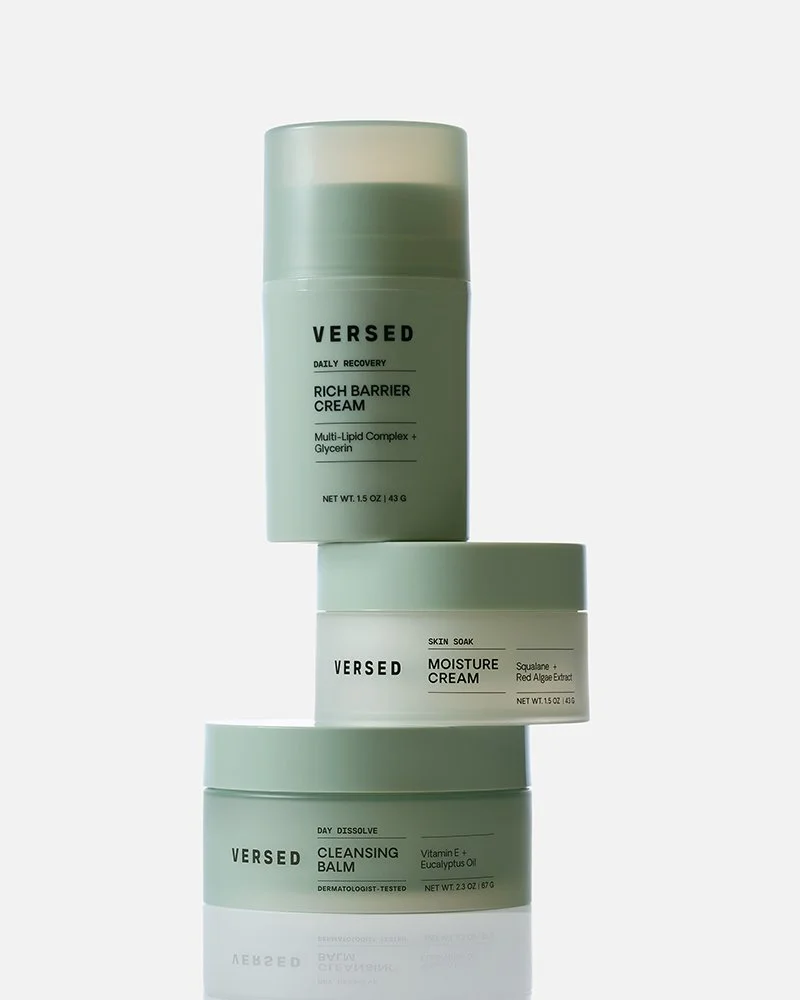
A product family image shows how items within a line relate to one another. Instead of isolating a single product, the composition focuses on balance across forms, labels, and packaging shapes. The goal is cohesion. This type of image is often used when brands want to communicate a range rather than a single SKU.
Visually, it helps establish the brand’s product ecosystem.
Ingredient cues
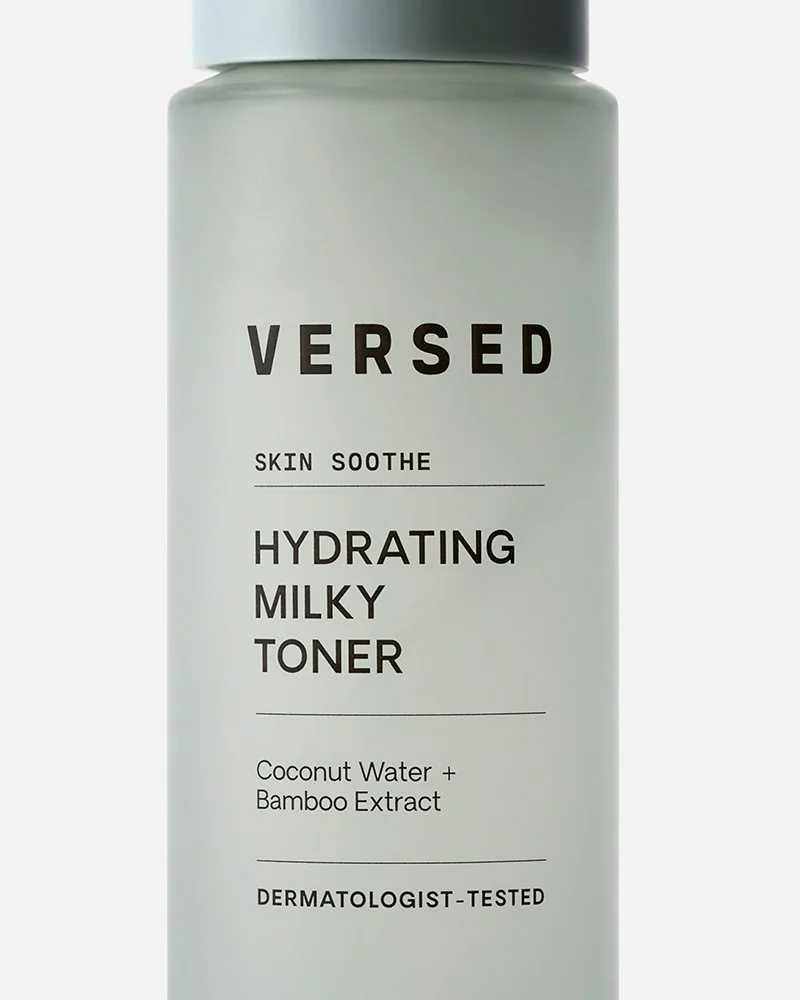
Ingredient images introduce context. These frames hint at the materials and ideas behind a formula without becoming literal diagrams. Botanicals, textures, and environmental elements create associations that reinforce what the product represents.
In skincare imagery, these cues help bridge the gap between product and concept.



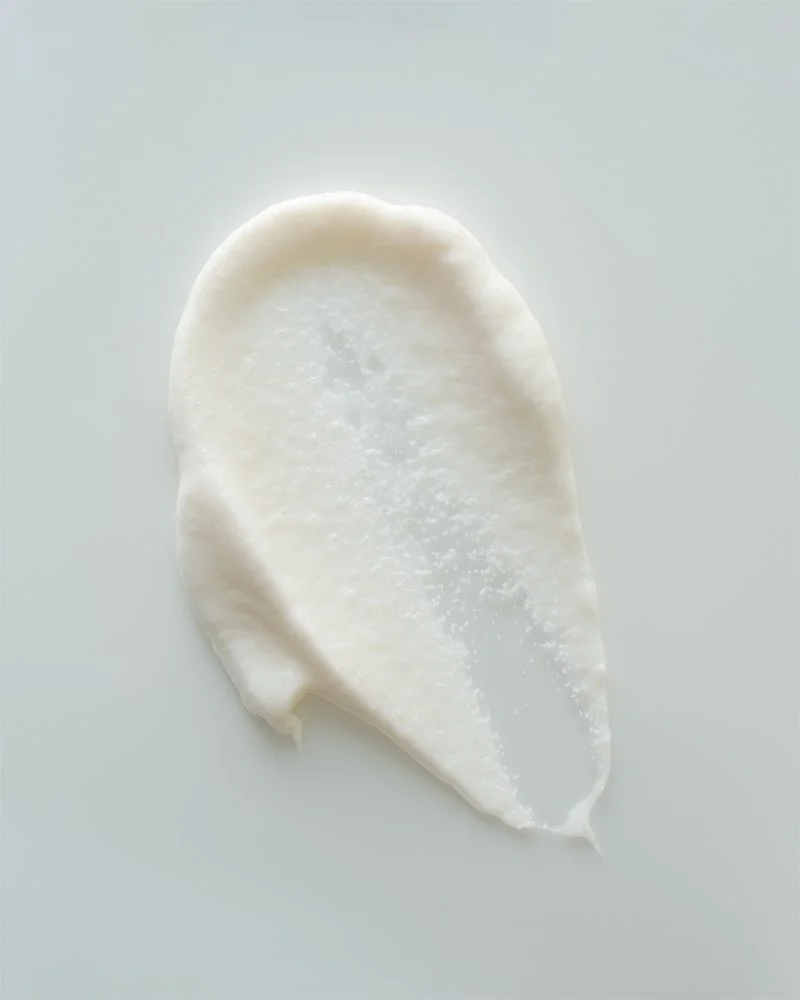
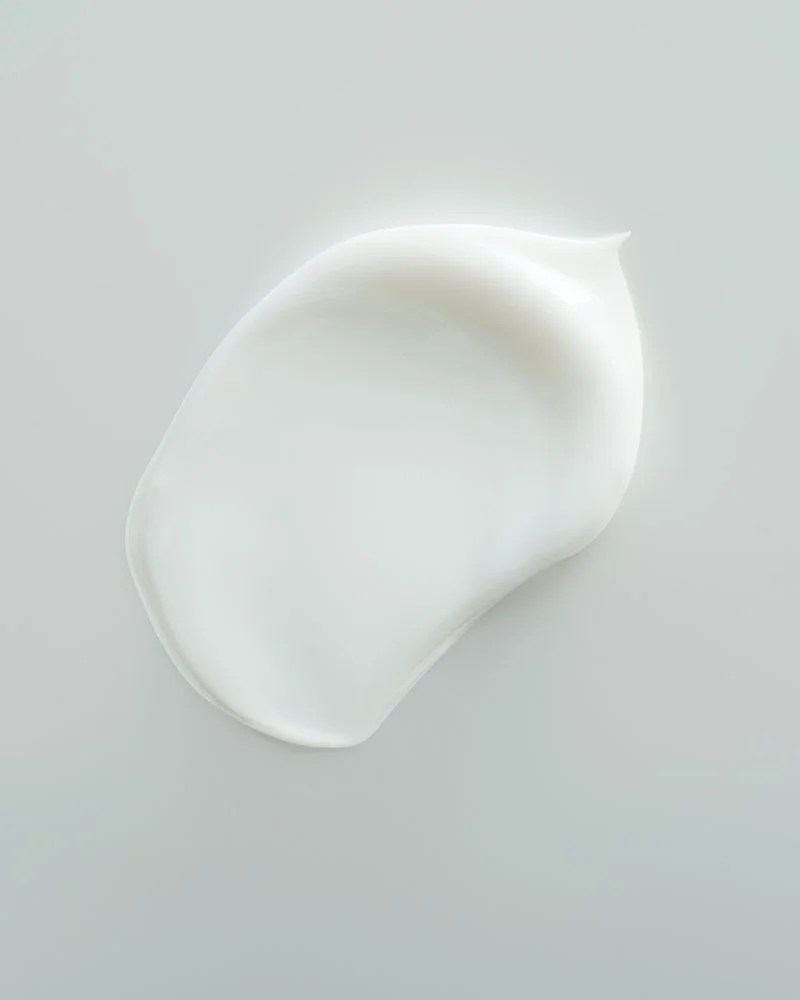
Formula texture
Texture images focus on the physical qualities of the product itself. Cream, gel, serum, or balm all behave differently under light. Capturing that behavior communicates how the product feels before someone ever touches it.
These frames are often used to add sensory detail to a campaign or product page.

Why image families matter
A single image can be striking. But campaigns, product pages, and social launches rarely rely on just one image. They need a small ecosystem of visuals that work together.
This study explores how a hero image, supporting compositions, ingredient references, and texture frames can operate as a coordinated set rather than unrelated pictures.
The result is a group of images that can travel across different placements while maintaining a consistent visual language.
Planning a campaign or product shoot?
I help brands define the image library they actually need before production begins, then build still-life and product imagery designed to work across the full rollout.