
When a lower production budget costs more long-term
A production budget shapes more than the shoot. It affects how long your images remain useful across campaigns, channels, and future needs
Full buyout in product photography: what brands are actually paying for
What brands often call a “full buyout” can mean very different things in commercial photography, affecting licensing, pricing, ownership, and long-term campaign usage
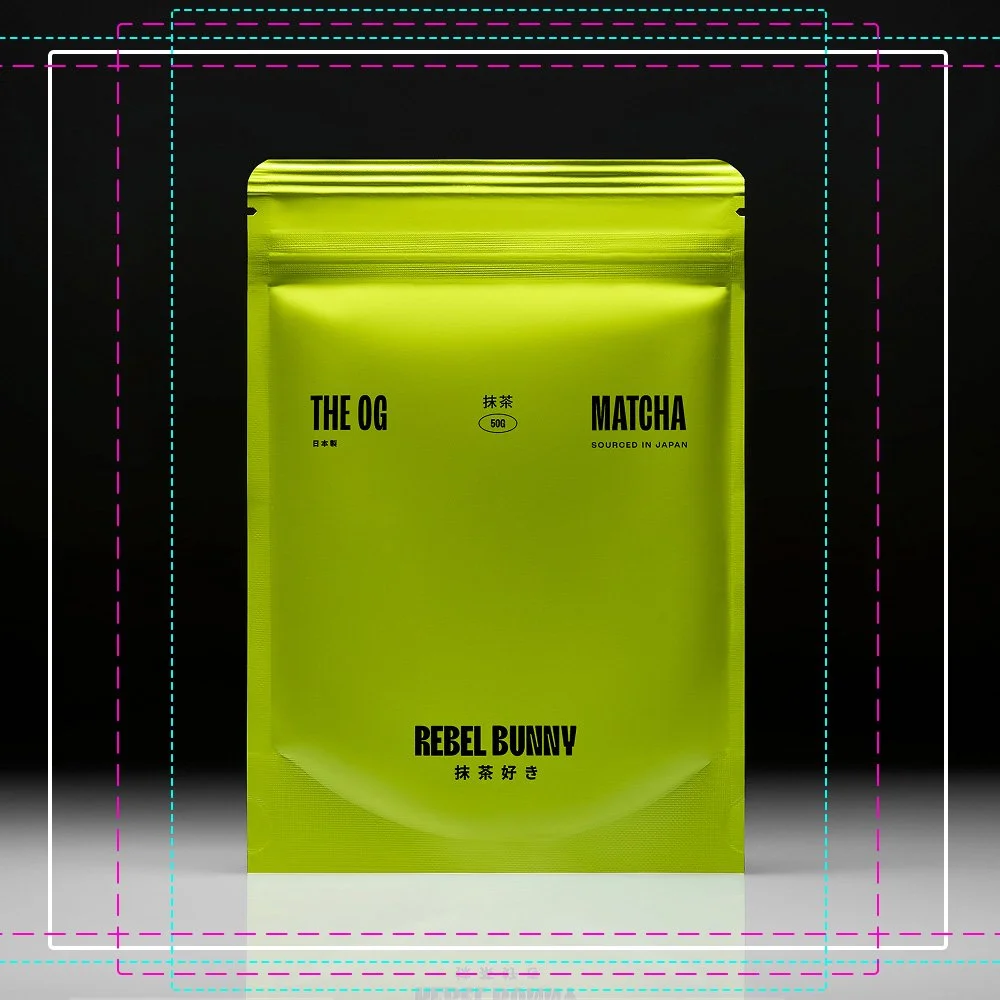
Campaign product photography for web, ads, and social
A single landscape image can be planned to scale across formats, reducing production complexity while supporting web, ads, and social from one setup
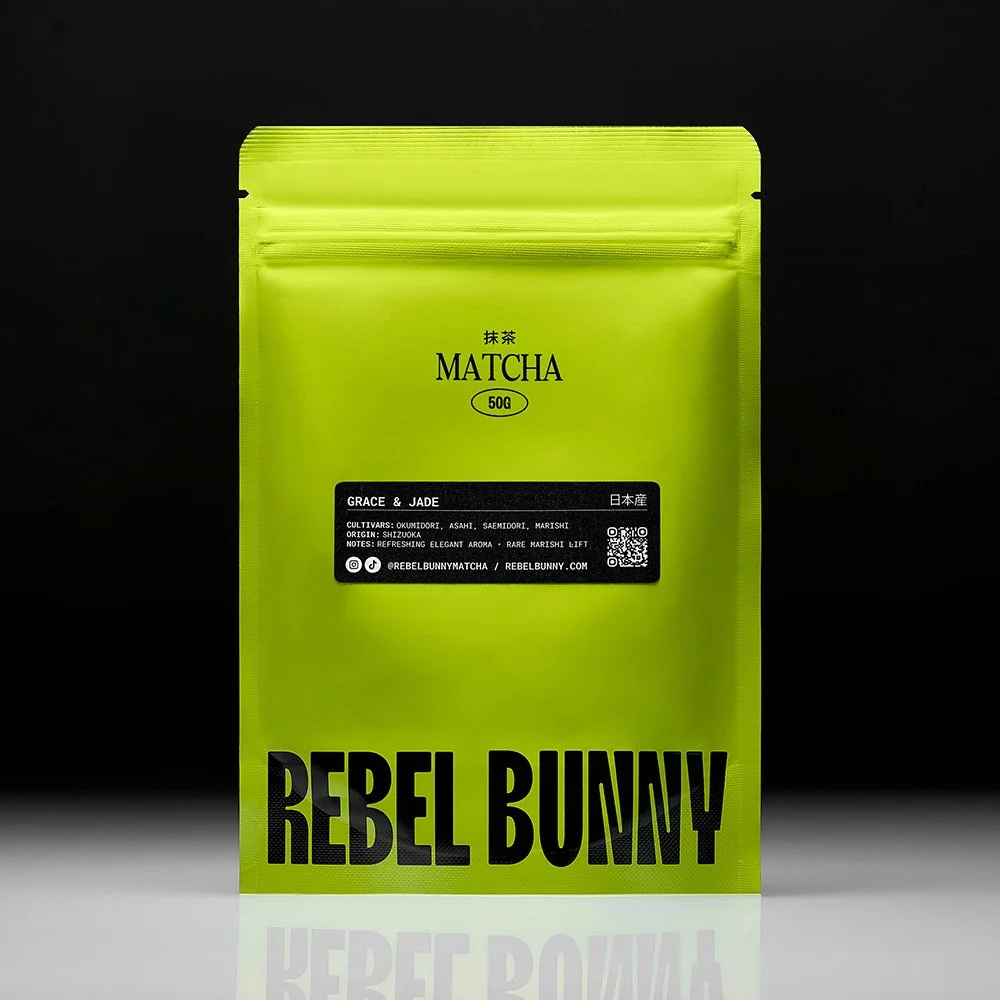
Rebel Bunny campaign: product and packaging visual system for PDP, social, and web
A campaign visual system for Rebel Bunny designed to hold across product, packaging, and digital placements
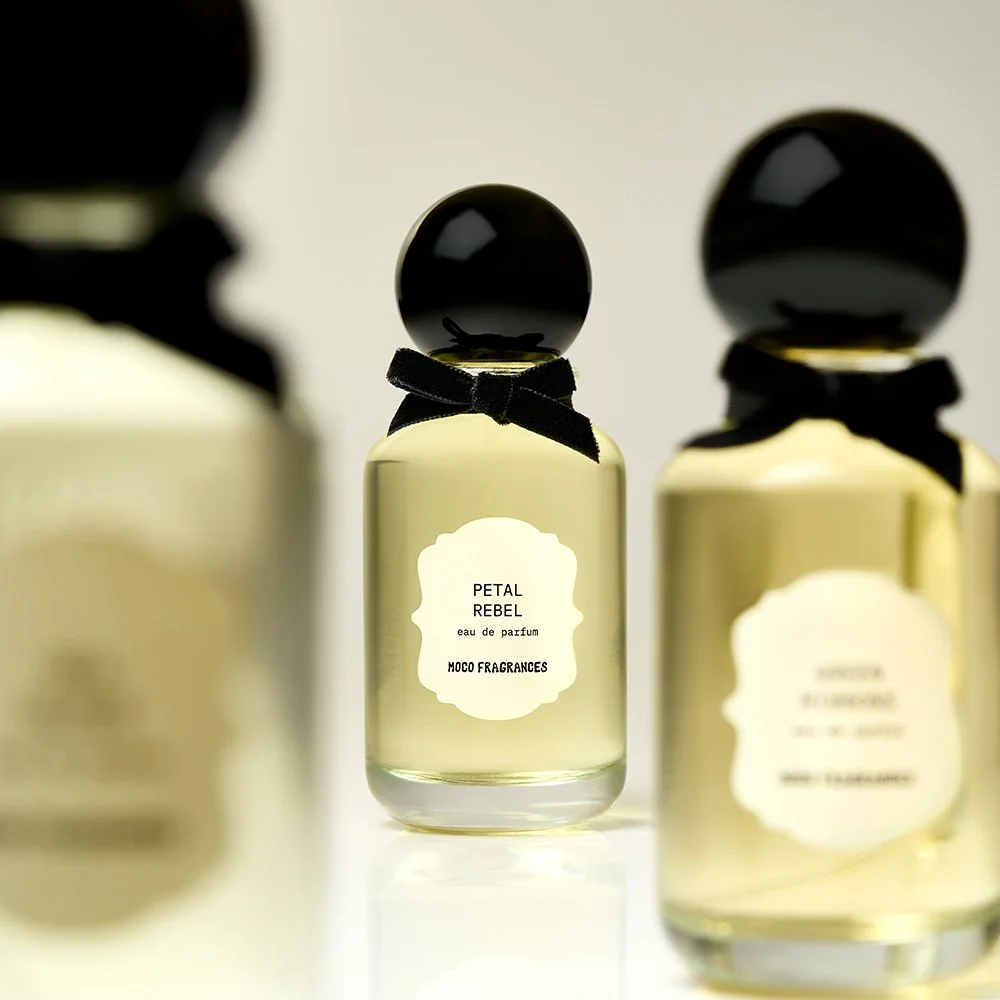
Lighting for product photography: creating consistent campaign images
Lighting isn’t just how an image looks, it’s what allows a full set of images to stay cohesive across a campaign

How brands should brief product photographers for campaigns
Clear photography briefs define deliverables, usage, and goals upfront, preventing misalignment, delays, and budget creep

What expands a photography budget after approval (and how to prevent it)
Photography budgets often expand after approval because the real scope of creative, usage, and deliverables becomes clear during production planning.
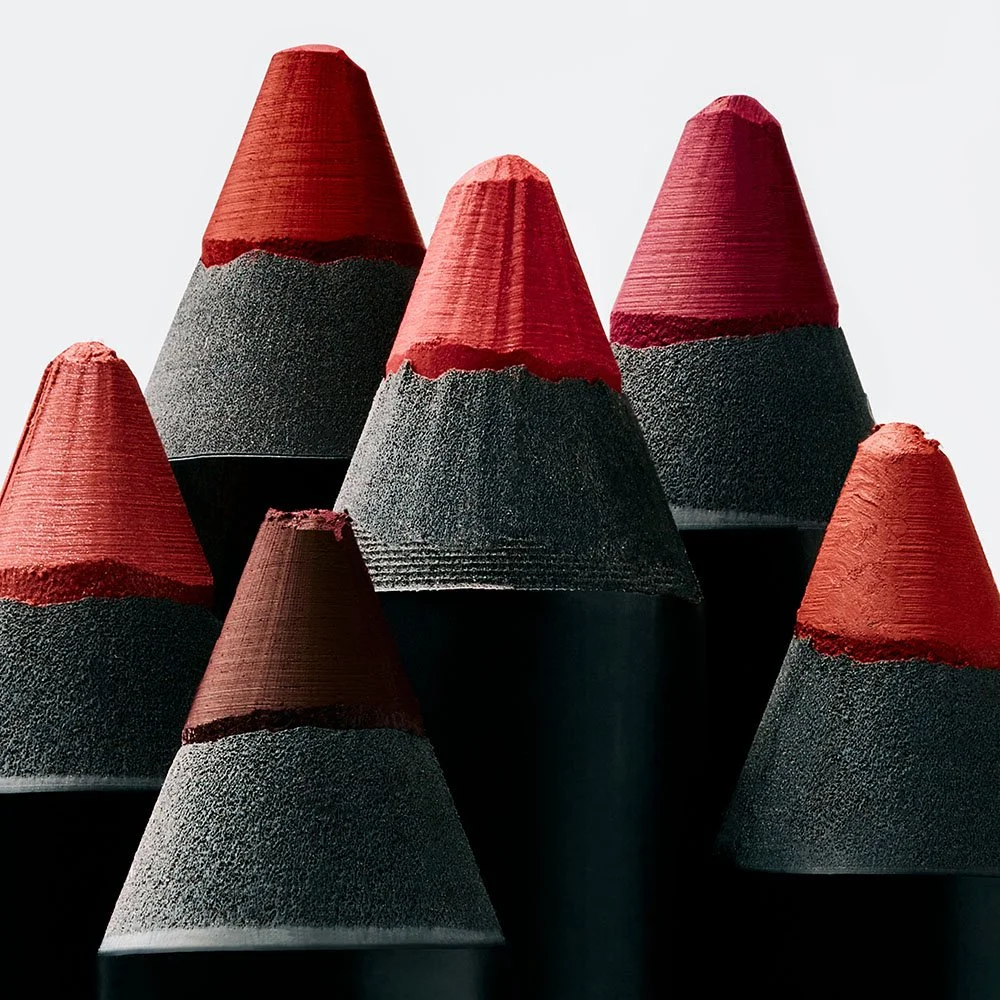
Campaign asset planning: how many product images brands actually need
A campaign can look polished and still fall short if it isn’t built to support every placement it needs to reach.

Versed skincare campaign: building a product photography system
A skincare still life study exploring how hero, product family, and detail images work together as a cohesive visual system.
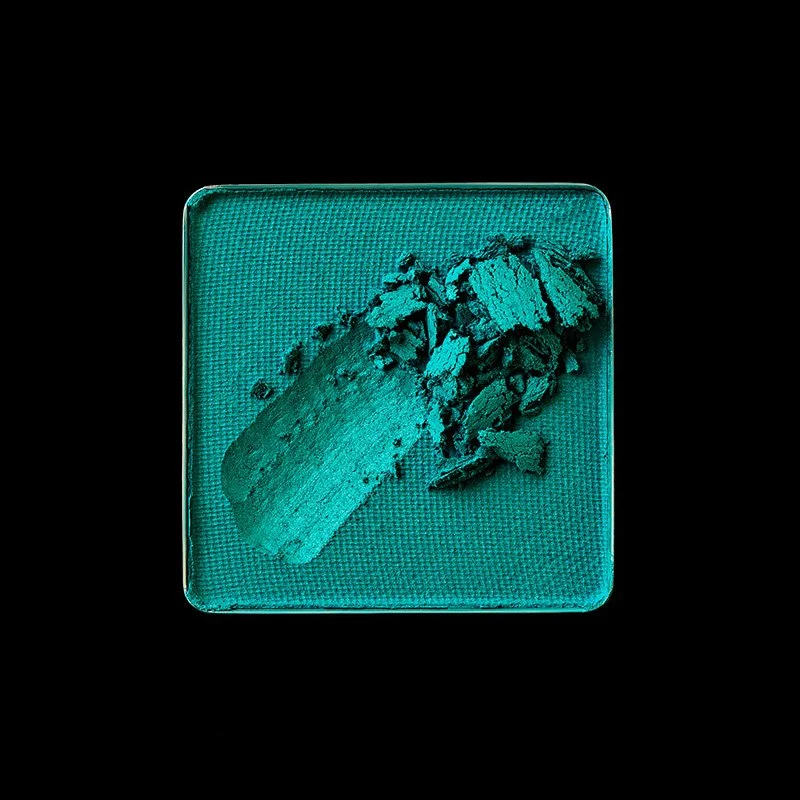
How compressed timelines reduce quality in product photography campaigns
Compressed timelines reduce the time needed for concept development and production planning, which often lowers the creative quality of a photography project.
Product photography quotes: what brands need to define first
When photography quotes vary widely for the same brief, the difference usually reveals misaligned assumptions about scope, usage, and production structure rather than arbitrary pricing.
Managing scope changes in product photography: how they affect budget and timelines
Scope changes happen in most photography projects. Understanding how they affect budget and timelines helps marketing teams adjust early and keep production on track.
When to hire a product photographer for a campaign (and why timing matters)
Involving photographers early in campaign planning leads to stronger visual systems, more flexible assets, and imagery designed to perform across channels.

What brands need to define before requesting product photography quotes
A clear photography quote starts with defined usage, scope, and licensing decisions, not a number.

Photography licensing for advertising campaigns: usage rights and costs
Licensing vs ownership in product photography comes down to this: you’re usually buying usage rights, not the copyright itself
Product photography planning for brands: what to define before the shoot
Strong product photography starts with clear planning decisions that shape scope, creative direction, and how images perform long after the shoot.
Product photography usage rights: how unclear licensing breaks campaigns
Why vague usage plans create weak photography systems and how clear asset planning leads to stronger, longer-lasting campaigns.
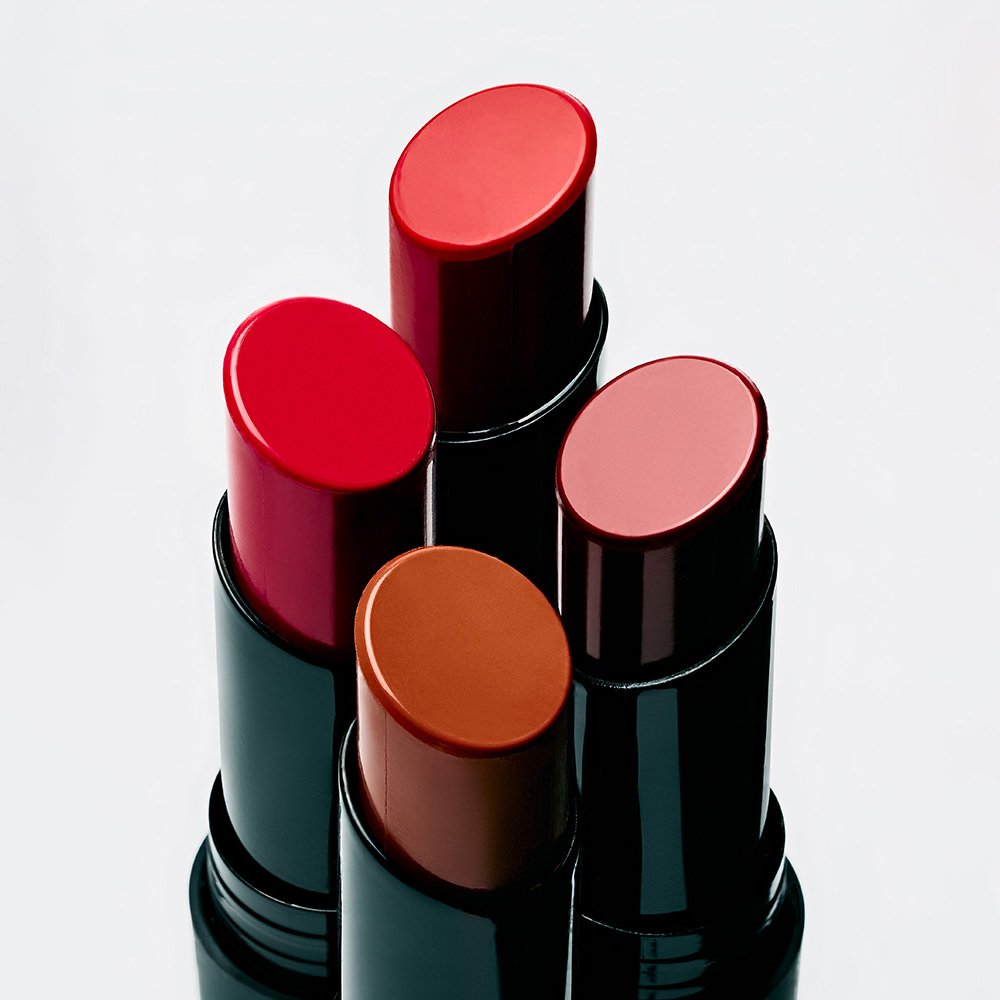
Product photography process: from concept to campaign delivery
The product photography process moves from planning and concepting through production and delivery, with each phase shaping how images perform across a campaign
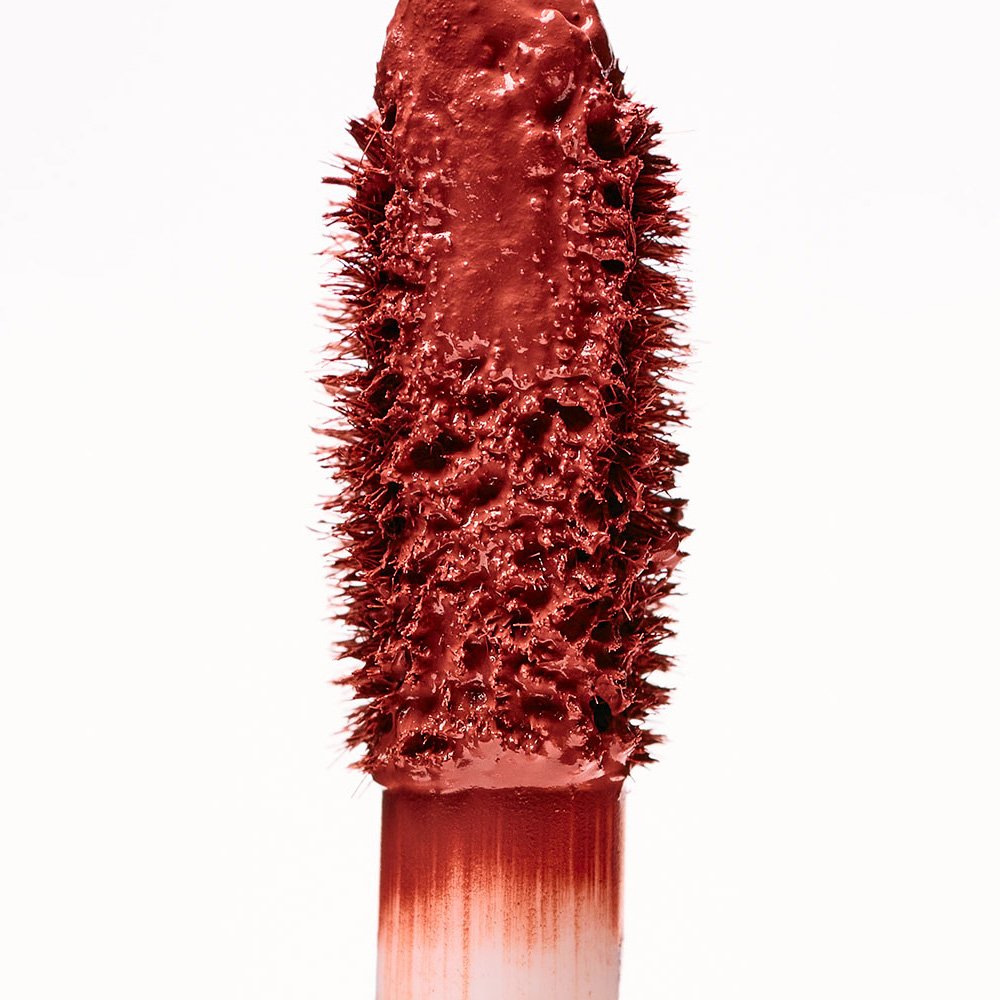
Ins + outs for 2026
2026 isn’t about doing more. It’s about choosing better. Fewer projects, clearer thinking, and work that’s intentional instead of reactive are shaping how brands create, decide, and invest.
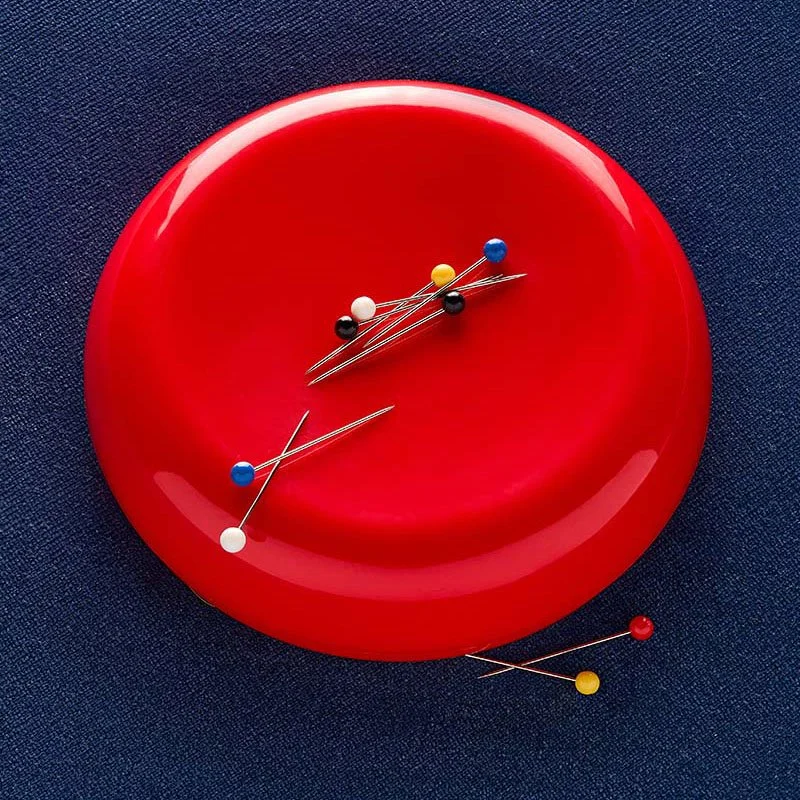
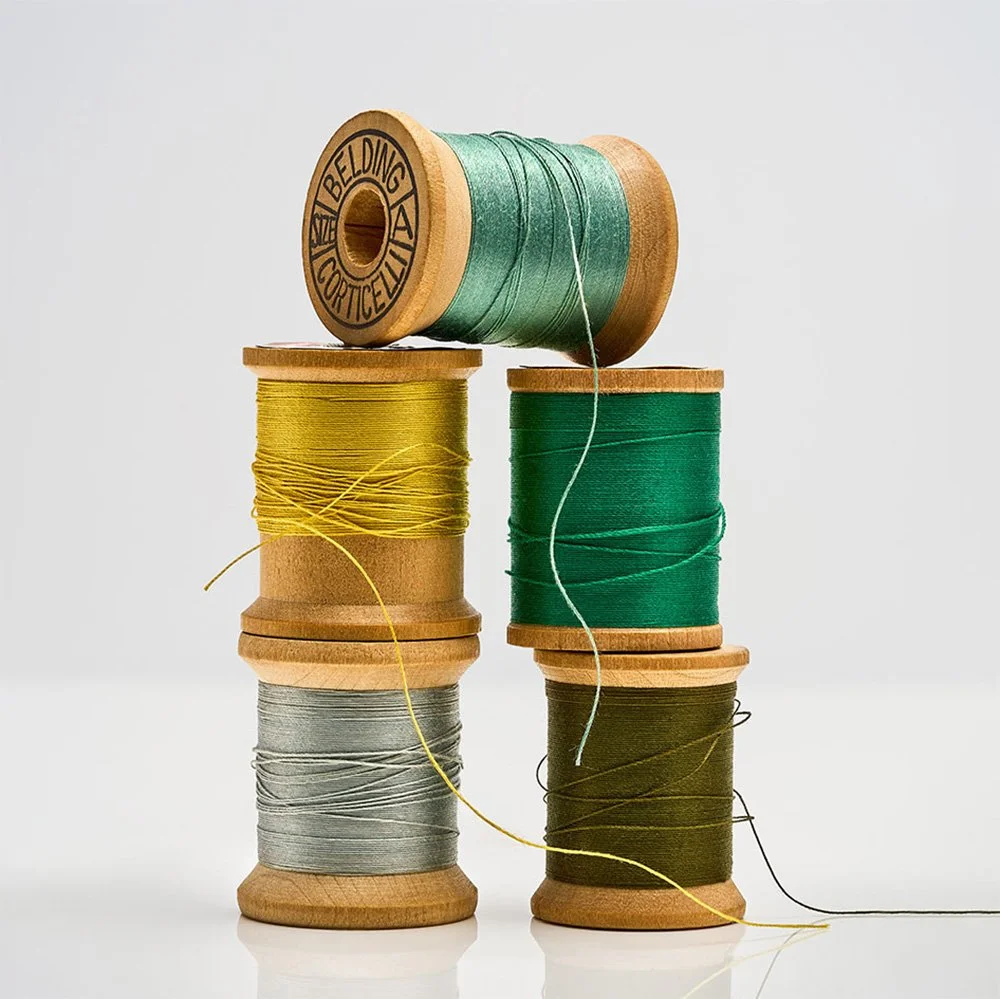
Creative shoot: sewing circle still life study
A still life study using sewing notions arranged as sculptural forms, focusing on color, balance, and the quiet personality of everyday materials.