
Introducing Ailuros: establishing a visual language at launch
When a brand launches for the first time, its photography has an unusual job. There is no established visual history yet, no previous campaign to build from, and no familiar image library teaching customers what to expect. The first photographs are not simply documenting a product. They are beginning to establish how that product, and the brand around it, will be seen.
Ailuros came to me to create the launch imagery for its debut as a brand, beginning with its first product: a modular ceramic cat dining system. The brand is built around feline instinct, physiology, and ritual, with a design-led approach to objects made for cats and the homes they share with people.
For the launch, the imagery needed to do more than make the product look good. It had to explain what the system was, show how it functioned, and give the brand a consistent photographic language from the outset. That meant creating an image library in which different photographs could carry different amounts and kinds of information while still feeling like part of the same visual world.
Start with understanding
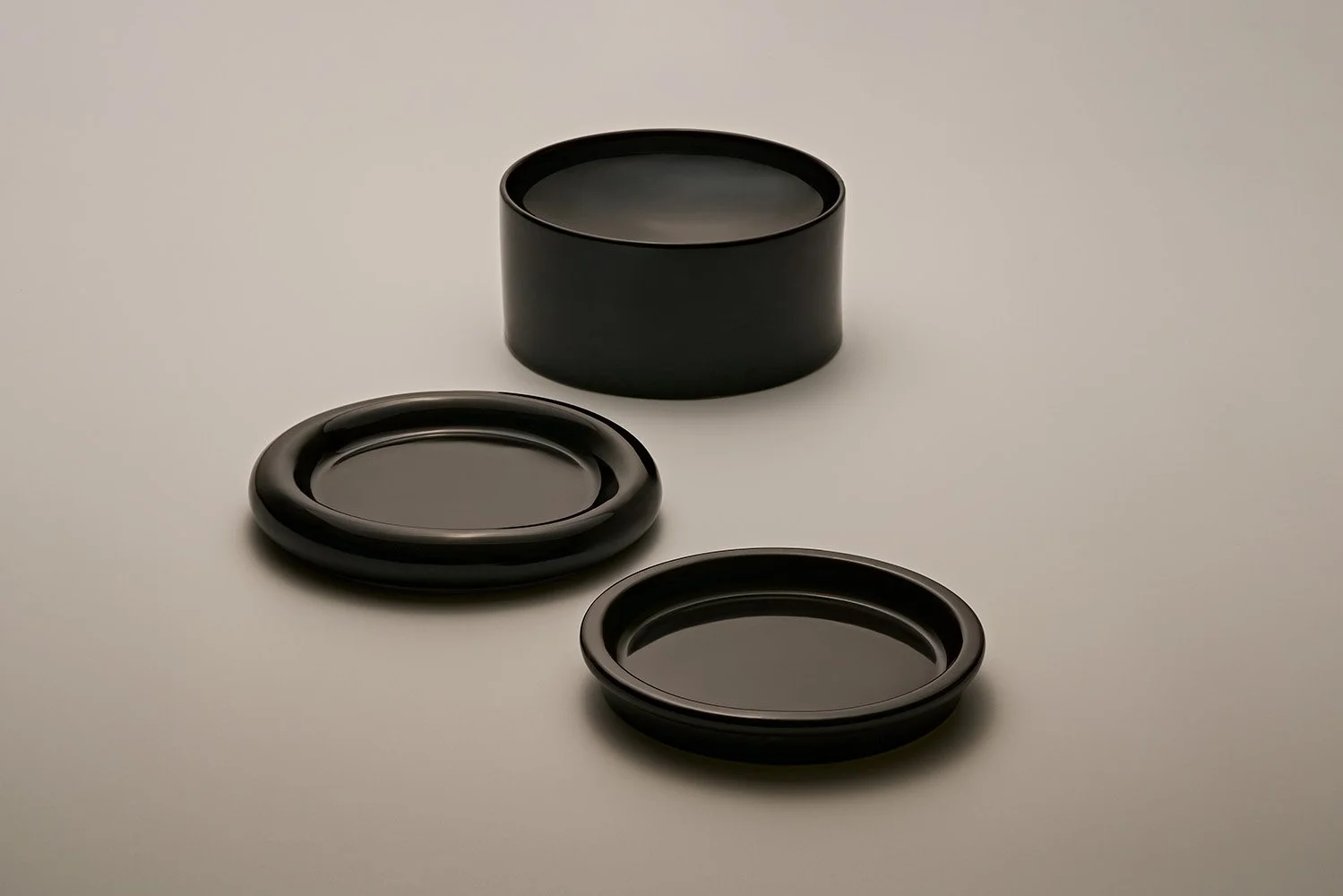
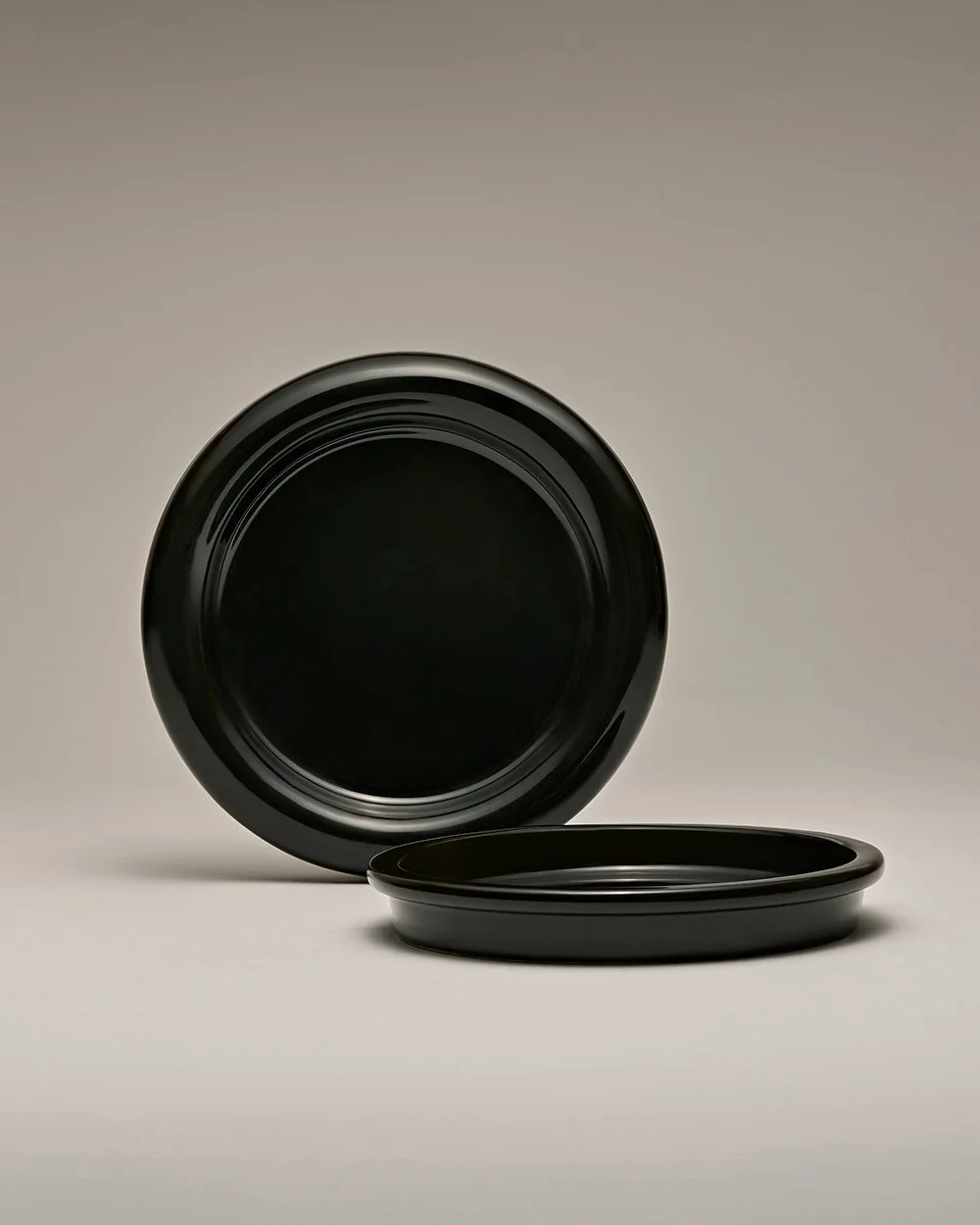
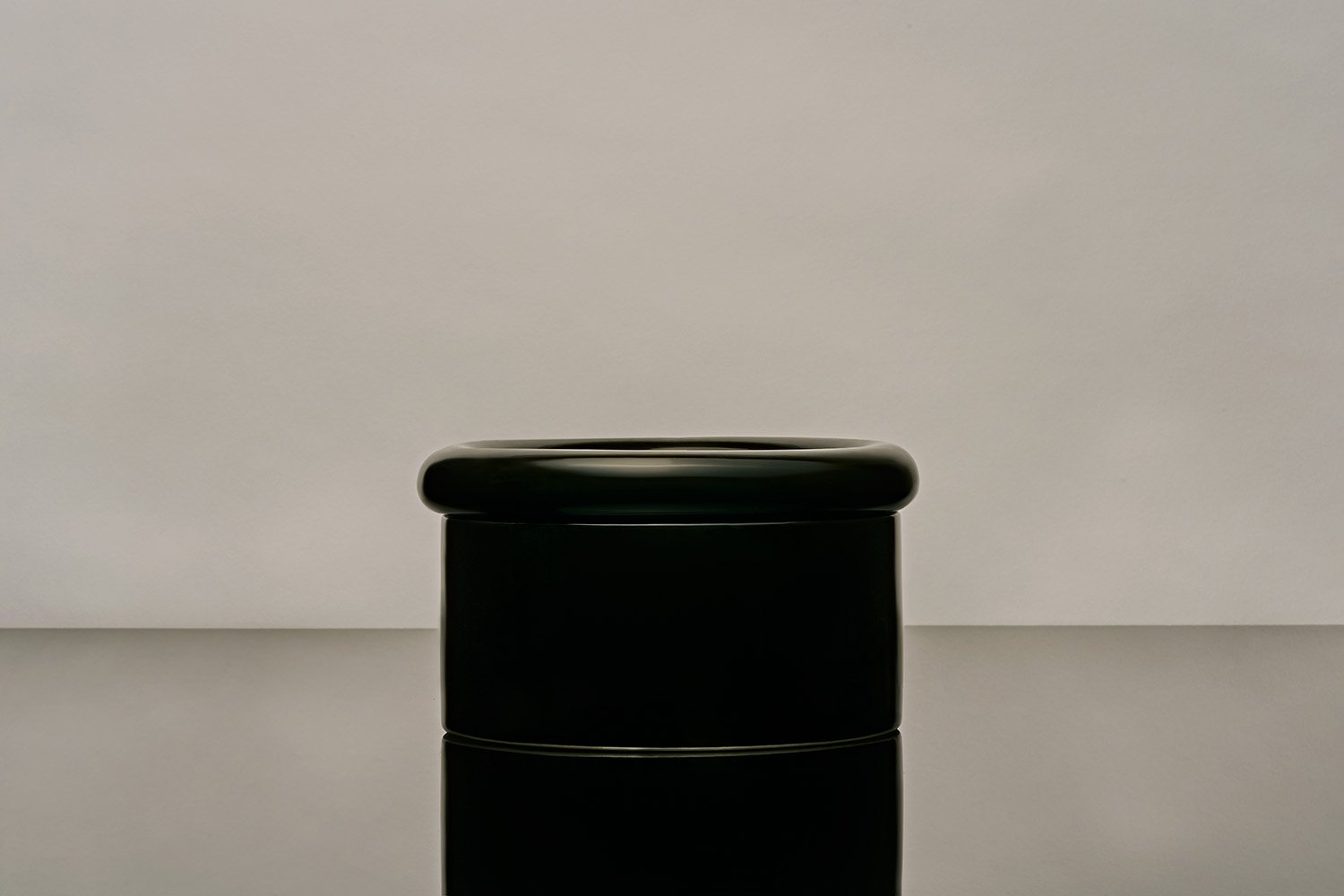
A new product cannot always rely on familiarity. In Ailuros’ case, the dining system consists of three ceramic pieces with distinct forms and functions. Photographed individually, they are minimal black objects. Photographed together, the relationship between them becomes part of the product story.
Some of the launch imagery therefore needed to be deliberately straightforward. Clean product studies isolate the forms and make their differences legible. Group compositions establish the relationship between the pieces. More sculptural arrangements emphasize profile, proportion, material, and the glossy ceramic finish.
These images are not responsible for carrying the entire personality of the brand. Their first job is simpler: to help someone understand what they are looking at.
Show the product in use without losing the brand
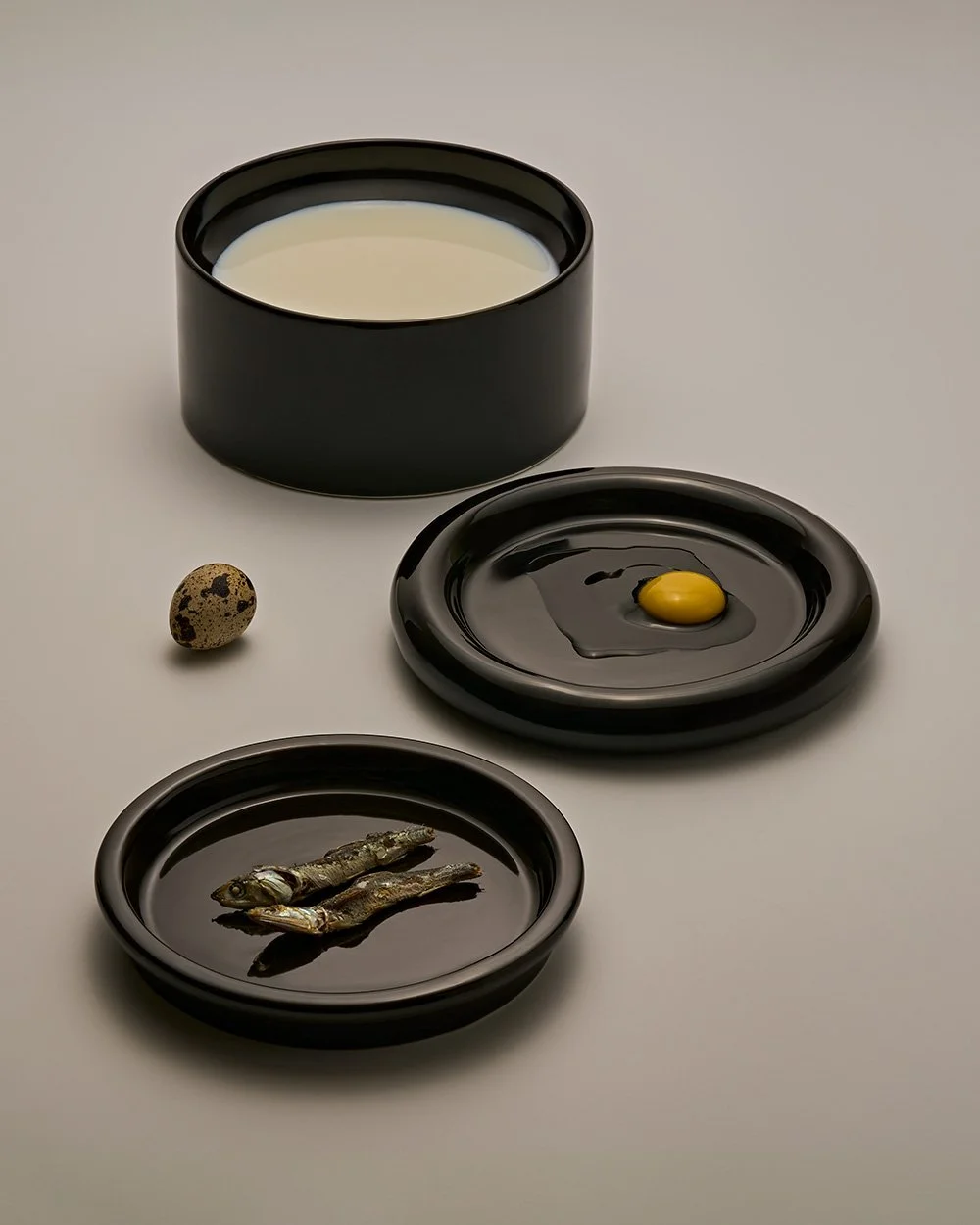
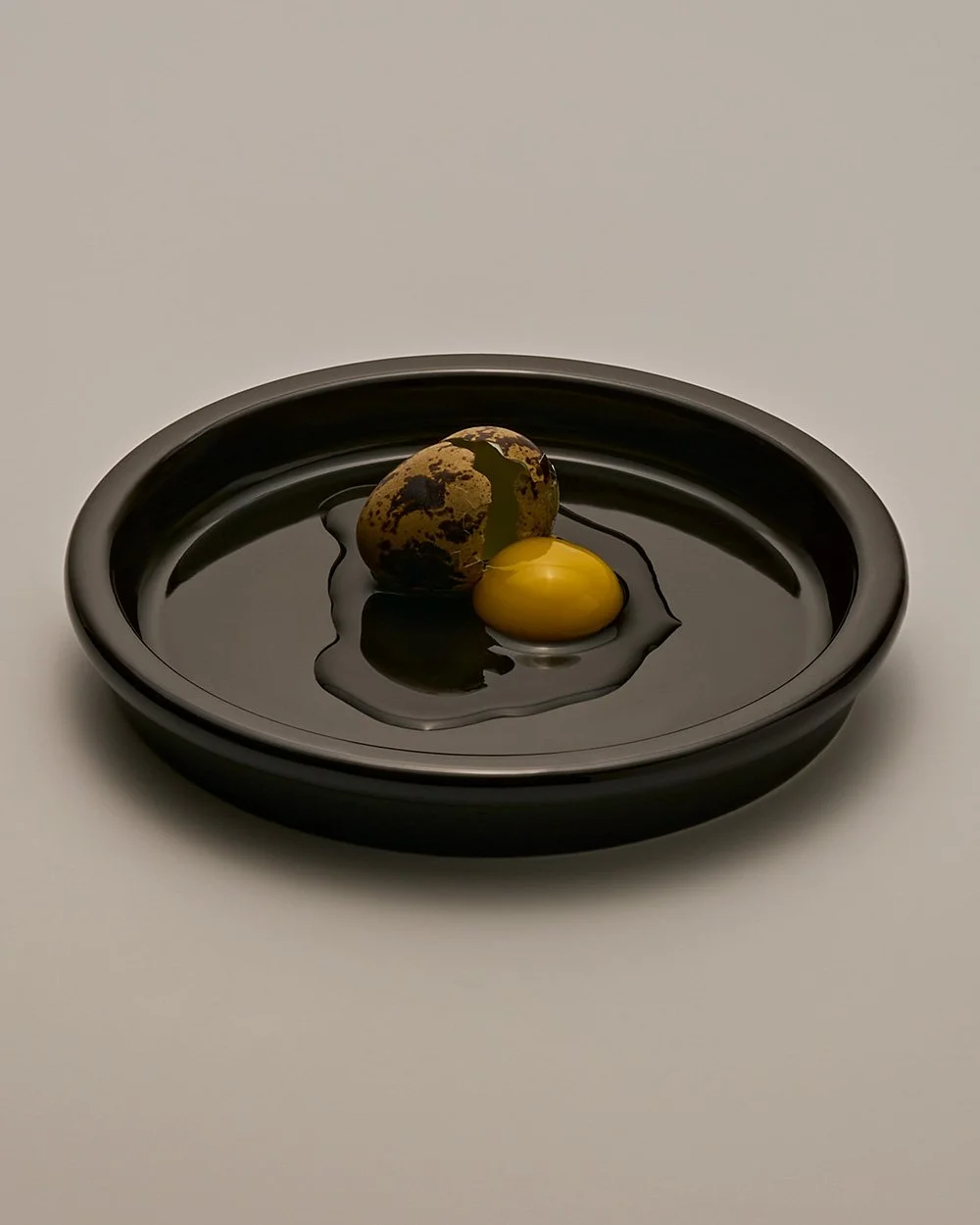
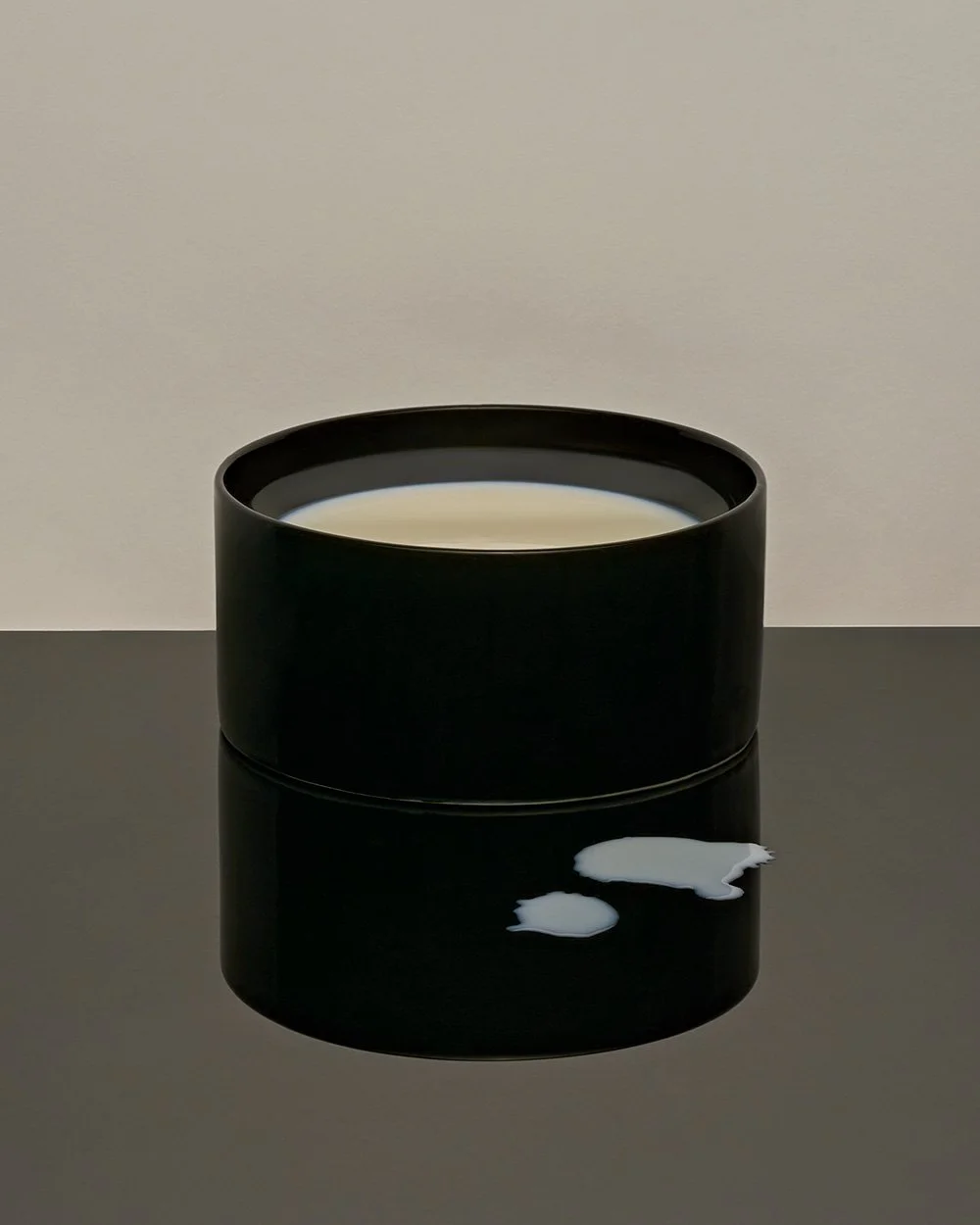
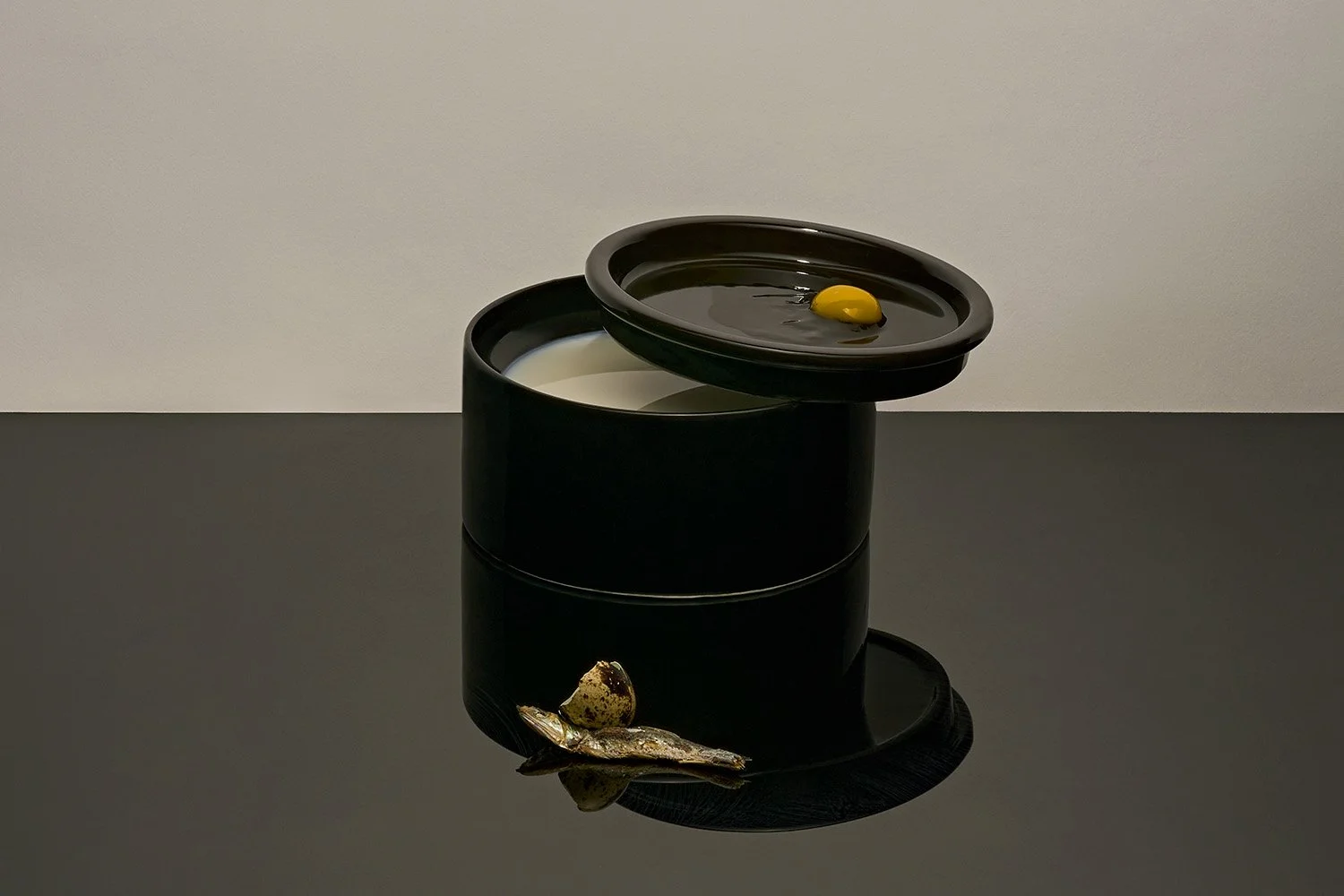
The next layer was function. Food changed the way the objects read almost immediately. Milk, quail eggs, and fish moved the imagery away from abstract ceramic forms and toward their intended use. The challenge was to show that function without abandoning the visual language established by the cleaner photographs.
The styling remained restrained and the palette controlled. Rather than treating the product like conventional pet merchandise, the food became part of the composition. That distinction mattered for Ailuros because the product needed to communicate that it was designed around cats while still feeling like an object someone had intentionally chosen for their home.
From information to desire
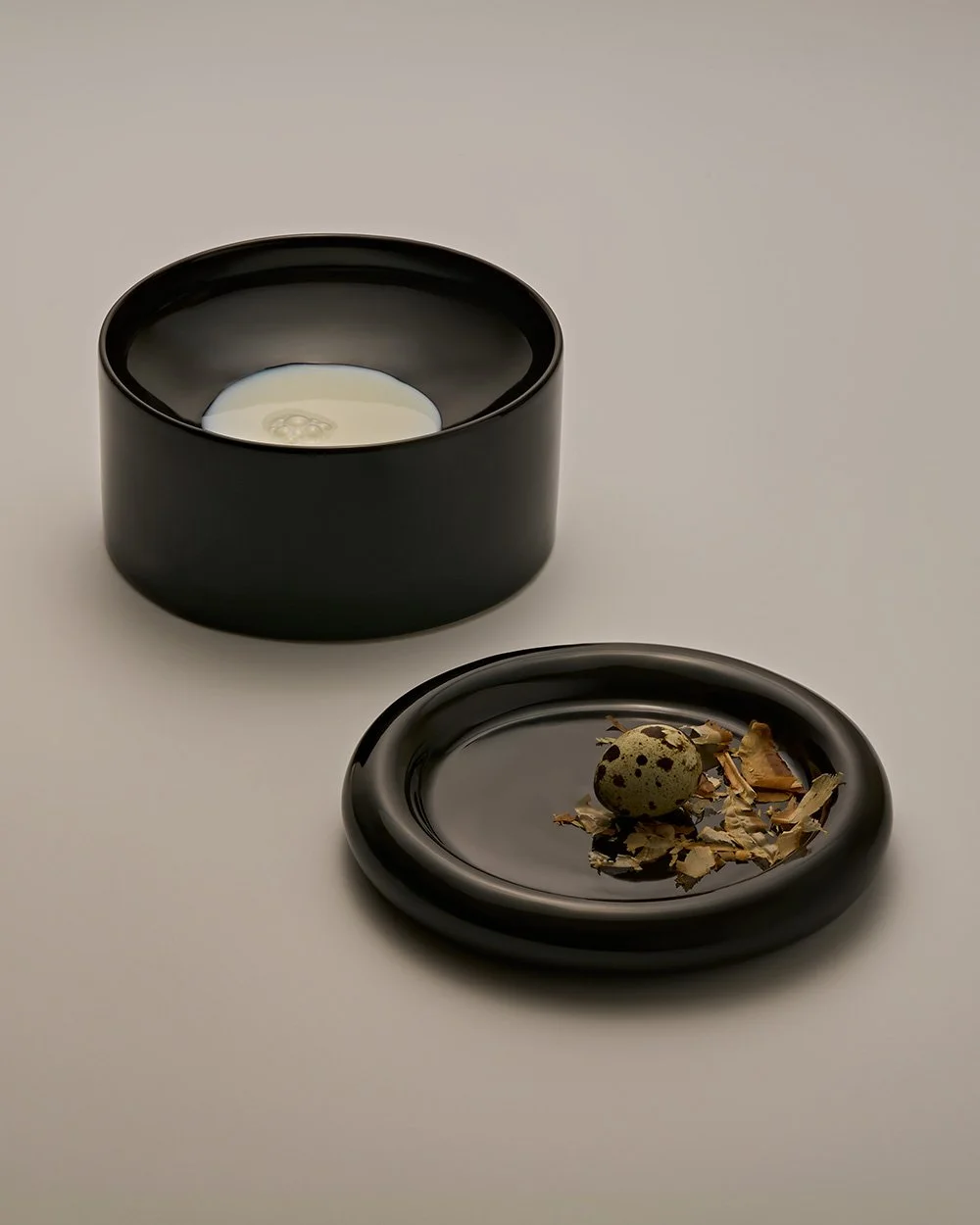
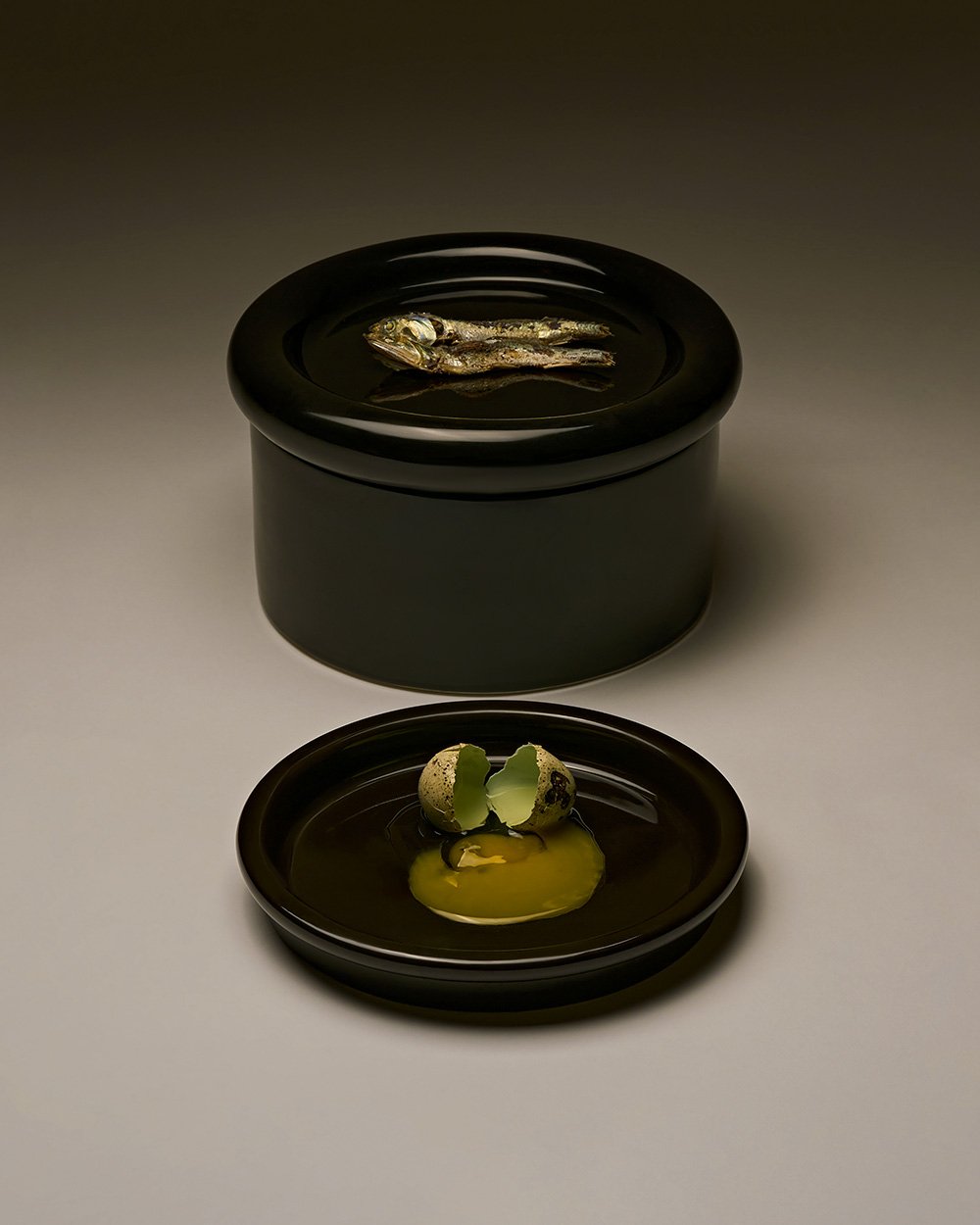
Once the viewer understands the product, the photography can begin asking less of explanation and more of atmosphere. For Ailuros, that meant moving into darker compositions, reflective black surfaces, and more editorial arrangements.
The product remains present and recognizable, but the purpose of the image begins to shift. Instead of primarily answering “What is this?”, the photograph begins answering a different question: “What does this brand feel like?”
This is where launch photography becomes particularly interesting. Too much information and every photograph becomes documentation. Too much atmosphere and a new product can become difficult to understand. A useful launch library needs both. The clean images establish the object. The styled images introduce use. The editorial images create character, mood, and desire. No single photograph has to accomplish all of those things at once.
A launch needs a library, not just a hero image
A brand rarely launches in one place. The same product may need to appear on a homepage, product page, email, social post, paid campaign, or launch announcement. Each placement asks something slightly different of the imagery, which is why I think about launch photography as an image system rather than a collection of individual hero shots.
For Ailuros, the library needed enough range to answer several questions across the set. What is the product? How do the pieces relate to one another? How is the system used? What does the material feel like? What kind of world does this product belong to?
Those answers did not need to be compressed into a single image. They could unfold across the full library while lighting, palette, composition, and material treatment kept the work visually connected.
The first images establish precedent
There is another reason launch imagery matters. Once a brand has an established visual identity, new photography enters a system that already exists. There are previous campaigns, product pages, and social images providing context. At launch, that context does not exist yet.
The first photographs begin establishing it.
They help define how the product is framed, how the materials are treated, how much information an image carries, how function is shown, and how far the brand can move into atmosphere or editorial storytelling. They become reference points for what comes next.
That is why the first image library is not simply documentation of something that has launched. It is part of the brand’s introduction to the world.
For Ailuros, that introduction needed to move between explanation and desire: enough clarity to understand a completely new product, and enough character to begin establishing what the brand could look and feel like beyond it.
That balance is what makes launch photography interesting to me. The work is not only about photographing a product well. It is about building the visual context in which people encounter it for the first time.
Launching a new brand or product?
I create cohesive still-life and product image libraries designed to work across campaign, ecommerce, email, and social.